

Speaking That Challenges the Room.
Trauma. Accountability. Leadership. Breaking the Cycle.
Some conversations are too important for comfortable answers.
I bring the perspective of a boy who survived childhood abuse, neglect, and instability, and a man who has spent more than two decades working in corrections, alongside people and systems dealing with the consequences of those same failures.
My presentations challenge audiences to look beyond labels, excuses, and easy solutions. We talk about what trauma leaves behind, what accountability actually requires, and what it takes to change outcomes for individuals, families, and communities.
Real experience. Difficult conversations. Practical change.
-
Children don't get to choose the homes they're born into, the adults who raise them, or the damage done to them. But they're often left carrying the consequences for the rest of their lives.
We spend plenty of time talking about what happened to children. Not nearly enough about what happens when those children become adults. The anger, the distrust, the broken relationships, the inability to feel safe even when the danger is gone.
And sometimes the people who caused the damage expect everyone else to move on.
This conversation challenges how we understand childhood trauma, what survivors carry, and why breaking generational cycles takes far more than surviving the people who hurt us.
-
We've become very good at explaining why people behave the way they do. We've gotten far less comfortable holding them accountable for what they do next.
Trauma matters. Mental health matters. Circumstances matter. But understanding someone's past cannot become a permanent excuse for damaging other people.
After more than two decades in corrections, I've watched systems confuse compassion with lowered expectations and accountability with punishment. Neither helps people change.
This conversation challenges professionals and organizations to stop hiding behind policies, good intentions, and impressive-sounding programs, and start asking the harder question: Are we actually changing lives, or just managing the damage?
-
Saying you're going to be different means absolutely nothing if the people closest to you keep paying for the same behavior.
You don't break generational cycles by announcing it. You break them in your home, in your relationships, and in the moments when nobody is watching. When you're angry. When you're wrong. When someone challenges you. When your children are watching how you respond.
Too many people want credit for recognizing their trauma without taking responsibility for the trauma they're creating.
This conversation is about the uncomfortable work of becoming someone different. Not perfection. Not motivational slogans. Just the daily responsibility of making sure the people who depend on you don't have to recover from you.
The cycle doesn't stop because we understand it. It stops when we refuse to repeat it.
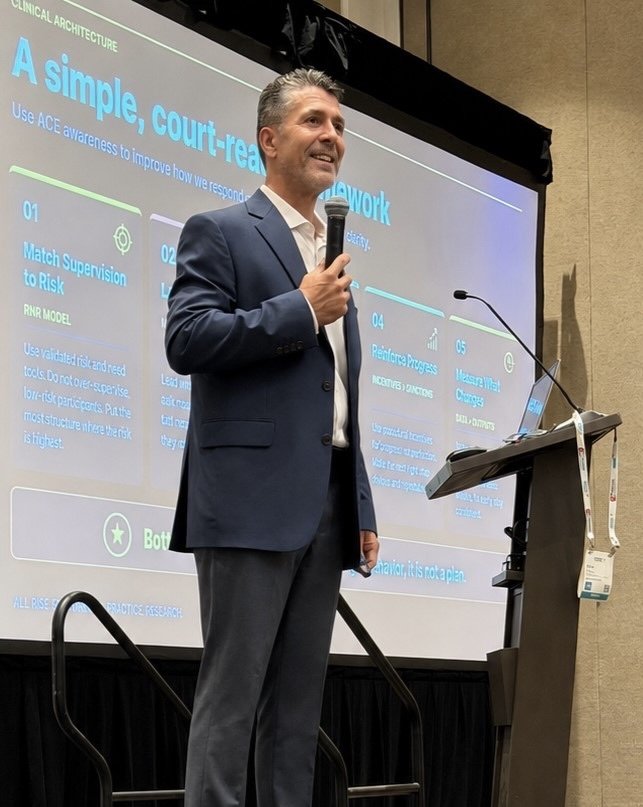
Featured speaking engagements
JULY 2026 · NASHVILLE, TN
AllRise RISE26
From ACEs to Outcomes: What Actually Helps Young Men
A national conference presentation examining childhood adversity, accountability, and practical interventions for young men.
NOVEMBER 18, 2026 · MINNESOTA
Minnesota Partners in Public Health Conference
Before It Becomes a Case Number: What Public Health and Criminal Justice Keep Missing About Trauma
An upcoming session focused on the early failures that eventually show up as crises in healthcare, public safety, and the justice system.